
How to Prepare Your Car for a Trip Without the Risk of a Breakdown
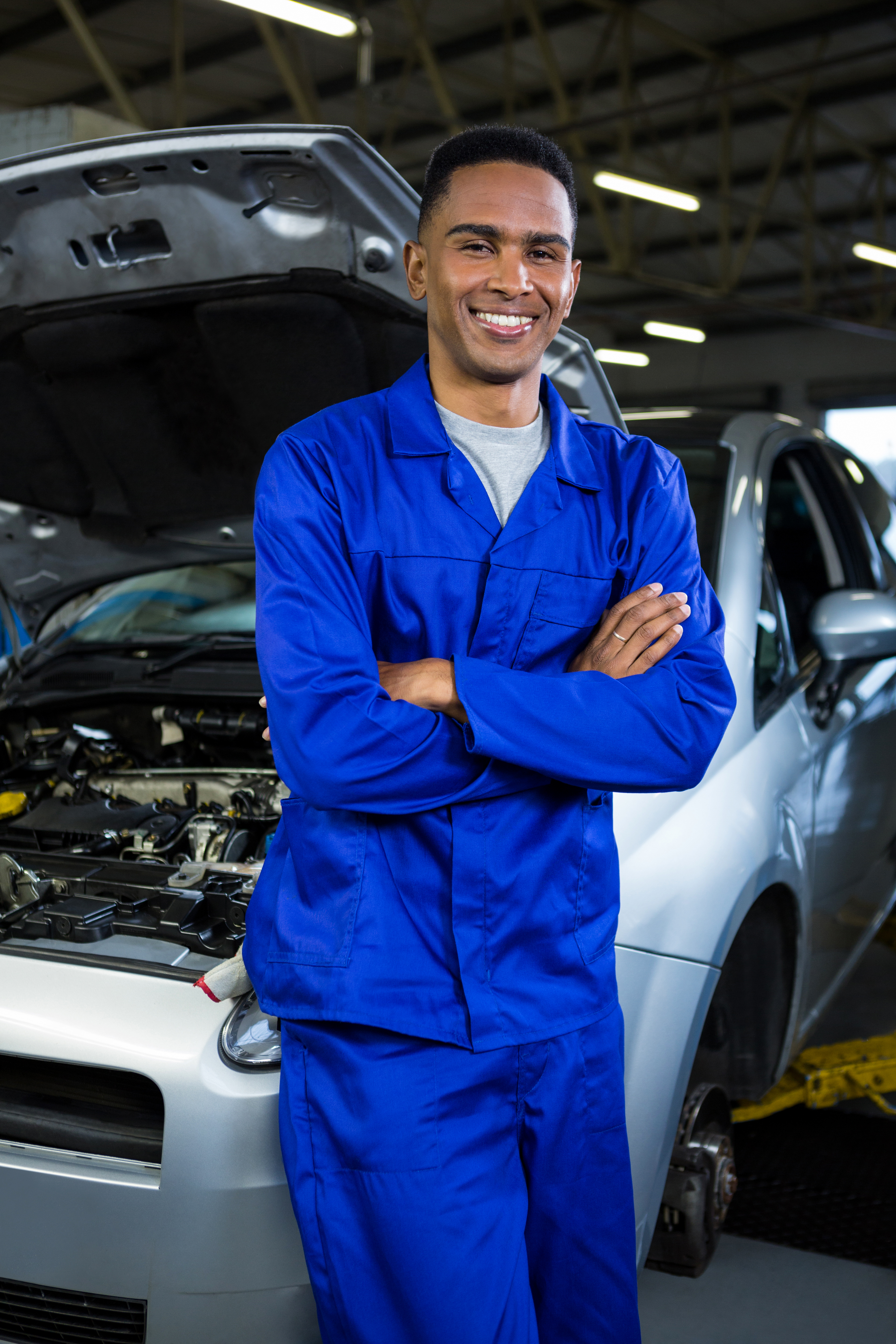
By: Garage2TN
Taking a road trip is often associated with freedom, adventure, and the excitement of discovering new places. However, a vehicle breakdown can quickly turn an enjoyable journey into a stressful and inconvenient experience. To avoid unexpected problems, it's essential to prepare your vehicle before hitting the road. This guide explains how to prepare your car for a trip without the risk of a breakdown, with practical, easy-to-follow tips to help ensure a safe, reliable, and worry-free journey.

Check the Essential Components Before You Leave
Before heading out, make sure your vehicle's key components are in good condition. Taking a few minutes to inspect these items can significantly reduce the risk of a breakdown.
Check all fluid levels
Inspect the engine oil, coolant, brake fluid, and windshield washer fluid. Low fluid levels can lead to mechanical problems or compromise your safety on the road.
Inspect your tires
Check the tire pressure, including the spare tire. Underinflated tires increase fuel consumption and the risk of a blowout. Also, inspect the tread depth to ensure your tires provide adequate traction.
Test your brakes
Make sure your brakes respond properly. If you hear unusual noises or notice a soft or spongy brake pedal, have the braking system inspected at a mechanic shop before your trip.
Check your headlights and exterior lights
Ensure that all headlights, brake lights, turn signals, and other exterior lights are working properly. Good visibility is essential, especially if you'll be driving at night or in poor weather conditions.
Have Your Vehicle Professionally Inspected
Even if you're comfortable performing basic maintenance checks, scheduling a visit to a mechanic shop before a long trip is a smart precaution. Professional technicians can identify issues that aren't always visible during a simple inspection.
Engine diagnostic
A professional inspection can detect signs of wear, engine faults, or hidden problems that could lead to a breakdown during your trip.
Battery inspection
A weak or aging battery is one of the most common causes of roadside breakdowns. A battery load test can help prevent unexpected starting problems.
Inspect belts and hoses
Belts and hoses naturally wear out over time. Replacing cracked or worn components before your trip can help prevent serious mechanical failures.
Replace or inspect filters
Clean air and fuel filters help your engine perform efficiently and improve fuel economy. Dirty filters can reduce performance and increase the likelihood of engine problems.

Prepare Your Car for the Conditions of Your Trip
Depending on your destination and the length of your journey, you should prepare your vehicle accordingly.
Pack an emergency kit
Carry a kit that includes a flashlight, spare fuses, jumper cables, a first aid kit, and a basic set of tools. These items can be invaluable if you encounter unexpected problems on the road.
Check the air conditioning and heating systems
Make sure both systems are working properly, especially if you'll be traveling through areas with extreme temperatures. A properly functioning climate control system improves both comfort and safety.
Load your vehicle properly
Avoid overloading your car. Excess weight puts additional strain on the engine, suspension, and tires. Distribute luggage evenly to maintain vehicle stability and handling.
Plan regular stops
Schedule breaks throughout your trip to give the engine time to cool down, stretch your legs, and perform a quick visual inspection of your vehicle.
Practice Preventive Driving During Your Trip
Preparing your vehicle is only part of the equation. The way you drive also plays an important role in preventing breakdowns.
Avoid sudden acceleration
Smooth acceleration and gentle braking reduce wear on the engine, transmission, and braking system.
Follow posted speed limits
Driving at appropriate speeds reduces stress on your vehicle, lowers the risk of overheating, and improves overall safety.
Pay attention to warning signs
If a dashboard warning light comes on or you hear an unusual noise, pull over safely as soon as possible to inspect the problem or seek professional assistance.
Monitor the engine temperature
Keep an eye on the temperature gauge throughout your trip. If the engine begins to overheat, stop the vehicle in a safe location, turn off the engine, and allow it to cool before continuing your journey.

What to Do if Your Car Breaks Down Despite Your Preparation
Even with thorough preparation, unexpected breakdowns can still happen. Knowing how to respond can help keep you safe and get you back on the road as quickly as possible.
Stay calm and prioritize safety
Pull your vehicle over to a safe location, turn on your hazard lights, and exit the vehicle if it is safe to do so. Stay away from moving traffic while waiting for assistance.
Call a mechanic shop or roadside assistance
Keep the contact information for a trusted mechanic shop or roadside assistance provider saved in your phone before you travel. Quick access to professional help can minimize delays and get you back on the road faster.
Use your emergency equipment if appropriate
If a dead battery is the cause of the breakdown and you have jumper cables available, you may be able to restart your vehicle with assistance from another driver. Only attempt basic roadside repairs if it is safe to do so.
Inform family or friends
Let someone know about your situation and your exact location. This provides an extra layer of safety, especially if you're traveling through remote areas.
Conclusion
Preparing your car before a road trip is one of the best ways to prevent unexpected breakdowns and ensure a safe, enjoyable journey. Checking your fluids, tires, brakes, battery, lights, and other essential components, along with scheduling a professional inspection when needed, can greatly reduce the chances of mechanical problems.
A little preparation goes a long way. By following these simple steps and practicing safe driving habits, you'll improve your vehicle's reliability, protect your passengers, and enjoy greater peace of mind wherever the road takes you.


Comments